Kids & parents
How to help your child learn English at home: a parent's guide
By Learnidia Academy · · 7 min read
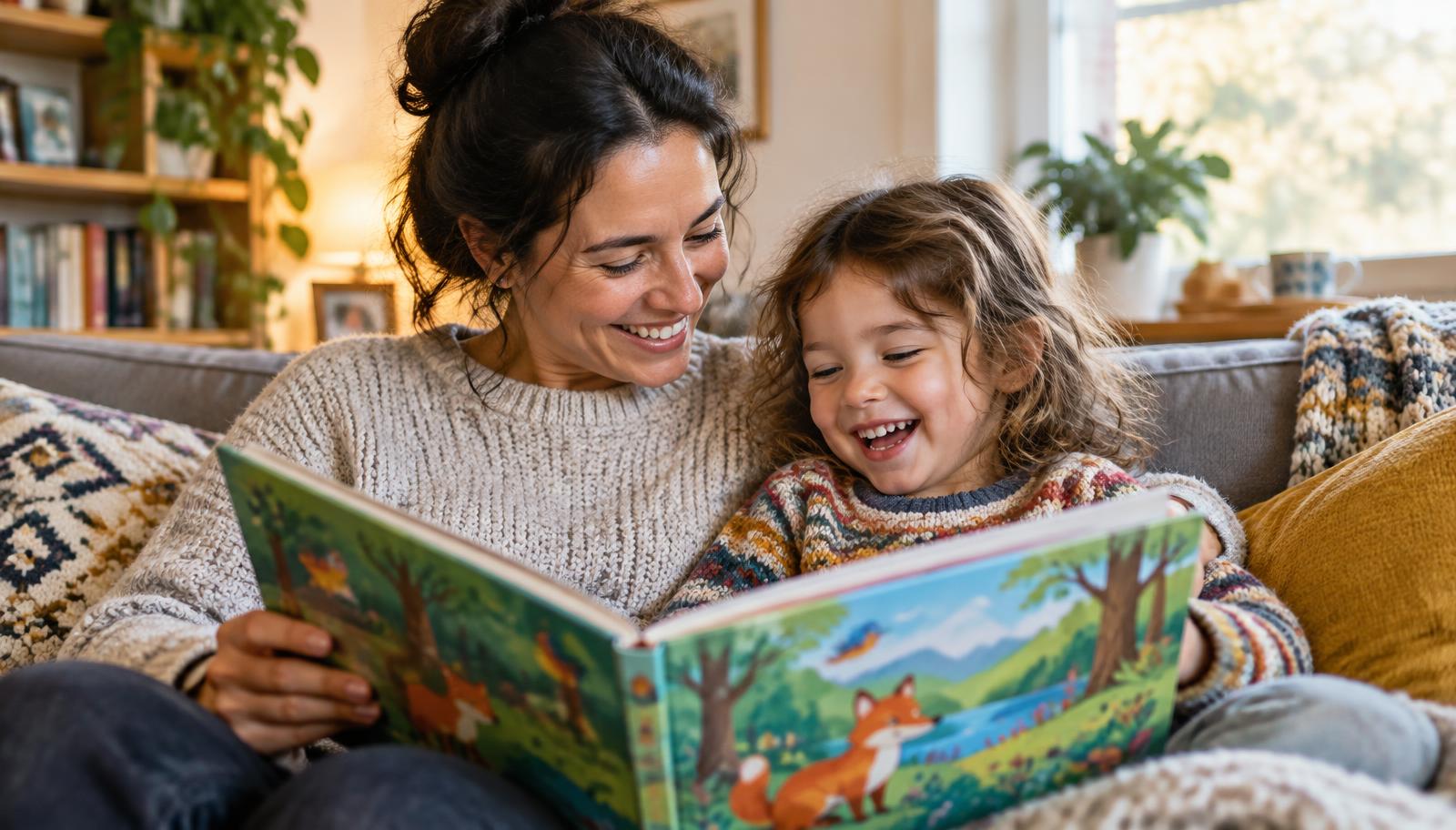
You don't need to be a fluent English speaker to help your child learn. What children need most is regular, relaxed exposure and a parent who shows interest. Here are practical ideas that fit into busy family life.
Little and often beats long lessons
Young children concentrate best in short bursts. Ten to fifteen minutes a day of English — a song, a story, a quick game — does more than one long session at the weekend. Pick a regular moment, such as after school or before bed, so English becomes a normal part of the day.
Read together, even if your English isn't perfect
Picture books are ideal because the images carry the meaning. Point at pictures, ask "What's this?" and let your child answer. Rereading favourite books is great — repetition builds vocabulary and confidence. The British Council's LearnEnglish Kids also has free stories and songs for different ages.
Turn practice into play
- I spy with colours and first letters around the house.
- Simon says, to practise actions and body parts.
- Labelling objects at home with sticky notes.
- Counting and naming items while shopping or cooking.
Children learn fastest when they are having fun. Our English games are designed for short, playful practice sessions.
Make screen time count
Choose age-appropriate English cartoons, songs and learning apps, and watch together when you can. Talk about what you saw afterwards — even a few simple questions help. Keep an eye on privacy: pick services that are designed for children and involve parents.
Praise effort, not perfection
Mistakes are a normal part of learning a language. Instead of correcting every error, repeat the sentence back correctly in a natural way: if your child says "I goed to the park", reply "Oh, you went to the park? What did you do?" Celebrate small wins, like a new word or a whole sentence.
Follow their progress together
Seeing progress keeps children motivated. Learnidia's courses follow CEFR levels — see our CEFR levels guide — and parents can follow their child's lessons and weekly progress. Most young beginners start with A1 Beginner. Have questions? Visit our FAQ or contact us.
Frequently asked questions
What age should my child start learning English?
Children can enjoy English songs and stories from a very young age. Structured lessons usually work well from around school age.
Will learning English confuse my child's first language?
Research on bilingual children suggests that learning two languages does not harm the first language. Keep using your home language too.
How much time should my child spend on English each day?
Short daily sessions of 10–20 minutes are a good start for young children, increasing gradually as they grow.